





What is Design Ops? The Complete Guide
Design Ops is the "backstage crew" that ensures the "rockstars" (designers) can perform without tripping over cables. It is the difference between a chaotic agency and a scalable product organization. If your team is debating file naming conventions instead of user experience, you don't have a design problem—you have an operations problem.
The Reality Check
"Move fast and break things" is destroying design teams. Scaling without structure creates "process debt" that cripples velocity. The reality is stark: Designers often spend less than 40% of their time on actual design work due to operational inefficiencies like hunting for files, manual QA, and redundant meetings [1]. The rest is lost to the "work about work."
What It Is (Simply Put)
Design Operations (Design Ops) is the orchestration of people, processes, and tools to amplify design's value and impact at scale. It’s not about adding red tape; it’s about clearing the road so your team can drive faster.
The Three Pillars of Design Ops
1. People: Building the Bench
- Onboarding & Culture: A wiki page isn't enough. In the hybrid era, you need "rituals of connection." Successful Design Ops teams script the first 30 days to ensure new hires ship code or design into production by week two.
- Career Pathways: Retention dies when growth creates a ceiling. Ops must define individual contributor (IC) tracks that rival management tracks in prestige and pay, proving you don't need to manage people to level up.
2. Process: The "Un-Boring" Workflow
- Standardization: Use "playbooks," not "rulebooks." A playbook guides decision-making; a rulebook kills creativity.
- The Meeting Audit: Ruthlessly cut syncs. If a status update can be a Loom video or a Slack thread, cancel the meeting.
- Design QA: Shift from manual "pixel peeping" to automated guardrails. Modern Ops uses linting tools like ComponentQA to catch errors before they leave the design file.
3. Tools: The Consolidated Stack
- We are seeing a massive shift toward "Tool Consolidation" [2]. Teams are abandoning the "5 plugins for one task" model to reduce subscription fatigue and context switching.
- Single Source of Truth: Your Design System is your most critical operational asset. It is the only way to ensure marketing and product speak the same visual language without constant supervision.
________________
Why You Need Design Ops Now (The Pain Points)
- The "Messy Middle" of Growth: When a team hits 10+ designers, informal communication breaks. The "I'll just Slack you" method fails, leading to version control nightmares.
- The ROI Problem: With designers trapped in administrative tasks (<40% of their time designing), you are paying premium salaries for data entry work [1].
- The Silo Effect: Without Ops, your Marketing brand and Product UI drift apart, creating a disjointed user journey that erodes trust.
________________
Emerging Trends & 2026 Forecast
AI as a Teammate, Not a Tool
The global AI market is projected to reach $1.8 trillion by 2032, fundamentally shifting Design Ops toward AI-driven automation [3]. By 2026, AI won't just generate assets; it will handle the operational grunt work—automated file naming, tagging, and accessibility audits will be standard.
"Adaptive DesignOps"
The key theme for 2026 is "Adaptive DesignOps"—prioritizing resilience and flexibility over rigid process adherence [4]. Static roadmaps are dead. Ops teams must build systems that can pivot quarterly (or monthly) without collapsing.
Governance & Ethics
With 83% of creative professionals reporting they already use AI tools, Design Ops leaders must establish governance and ethical guidelines immediately [5]. If you don't define how your team uses AI, they will define it for you—often with legal and copyright risks attached.
How to Build Your Design Ops Strategy
- Phase 1: Audit (Weeks 1-4): Map the friction. Where is time being wasted? Look for the "hidden factories" where designers create their own workarounds.
- Phase 2: Centralize (Weeks 5-8): Unify file storage, naming conventions, and the design system. Establish the "Single Source of Truth."
- Phase 3: Automate (Weeks 9+): Implement plugins and bots for handoffs and QA. Use ComponentQA for automated design audits and StateBuilder for documentation automation. If a task happens three times, automate it.
________________
Measuring Success: Metrics That Matter
- Velocity: Measure the time from "brief" to "dev-ready." Ops should shrink this window.
- Adoption & Defect Reduction: Track the percentage of projects using the Design System. Effective Design Ops directly reduces "defect reduction" (design-to-dev mismatches) by enforcing standardized component usage, ensuring what is designed is exactly what gets built [6].
- Team Health: Retention rates and "time spent designing" vs. "time spent managing." If your designers are happier and designing more, Ops is working.
Conclusion
Design Ops isn't bureaucracy; it's liberation.
It frees your creative talent from the drudgery of admin work so they can solve the hard problems you hired them for. Start small, fix the biggest headache first (usually file management or handoff) and scale from there. The teams that win in 2026 won't just be the most creative; they will be the most operationalized.
References
- [1] Industry Research: "Designers often spend less than 40% of their time on actual design work due to operational inefficiencies."
- [2] 2025 Trend Analysis: "Tool Consolidation reducing subscription fatigue and context switching."
- [3] Market Projections: "Global AI market projected to reach $1.8 trillion by 2032." (Fortune Business Insights, 2024).
- [4] Future of Work Forecast: "Adaptive DesignOps focusing on resilience and flexibility."
- [5] Creator Economy Survey: "83% of creative professionals report already using AI tools."
- [6] Operational Efficiency Data: "Effective Design Ops reduces defect reduction (design-to-dev mismatches)."
Tools for this workflow
Recommended BiblioKit Plugins
Learn
Design Ops Fundamentals
We built this evergreen mental model so designers, developers, and marketers can align design systems, handoff, implementation, launch, and campaigns.
Read the guideNext & previous

Before
Scaling Your Design System: A practical guide to scalability and cross-team collaboration
Scale design systems with governance models, architecture patterns, tokens, and team collaboration strategies.
Design Systems • 12 min read
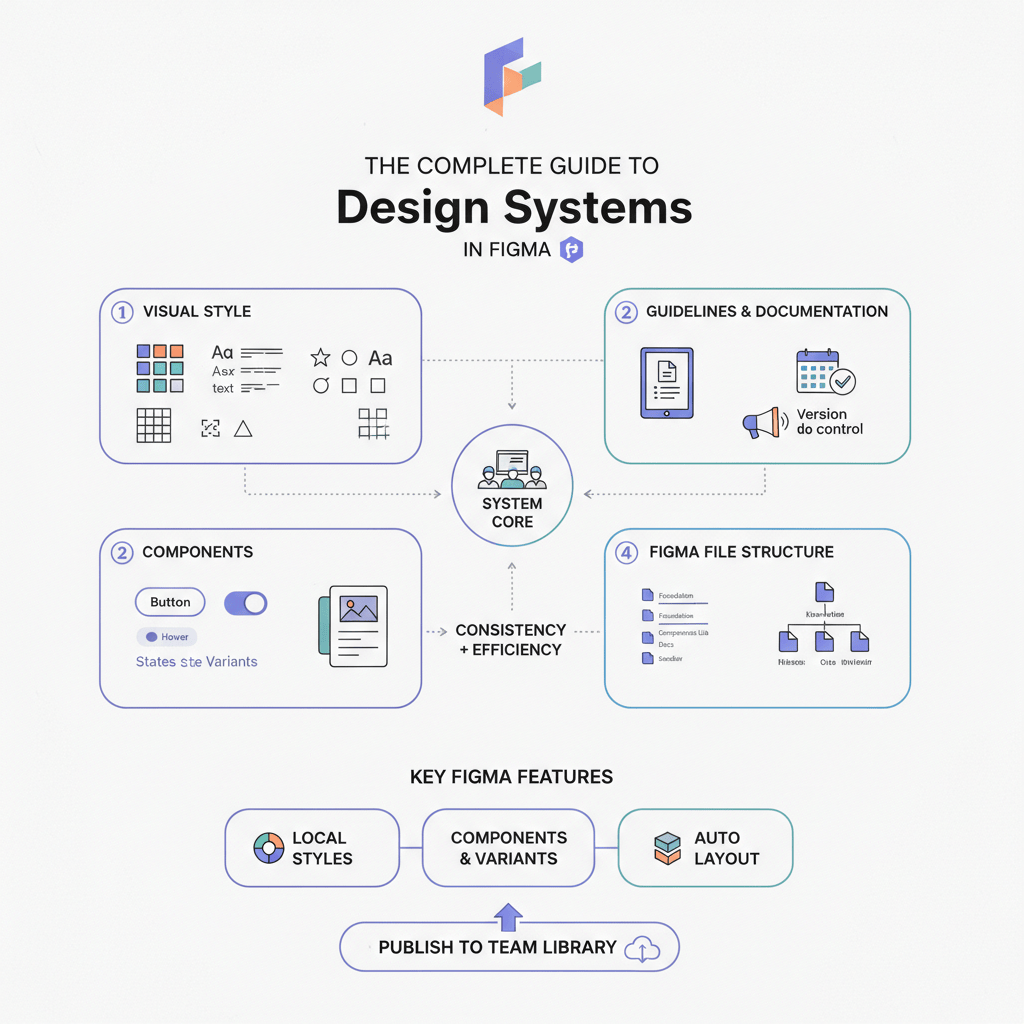
Next
The Complete Guide to Design Systems in Figma (2026 Edition)
Upgrade Figma design systems for 2026 with variable-first architecture, AI cleanup, and Code Connect to scale without drift.
Design Systems • 6 min read
Related articles
The 2026 Shift: Bridging the Gap Between Design and Dev
Close the 2026 design-dev gap with five component library shifts that align tokens with production code.
Design Systems • 5 min read
The Ultimate Figma Plugin Stack: 8 Tools to Save You Hours Every Week
Install 8 Figma plugins that cut renaming, cleanup, and docs time so your team saves hours every week.
Figma Plugins • 4 min read
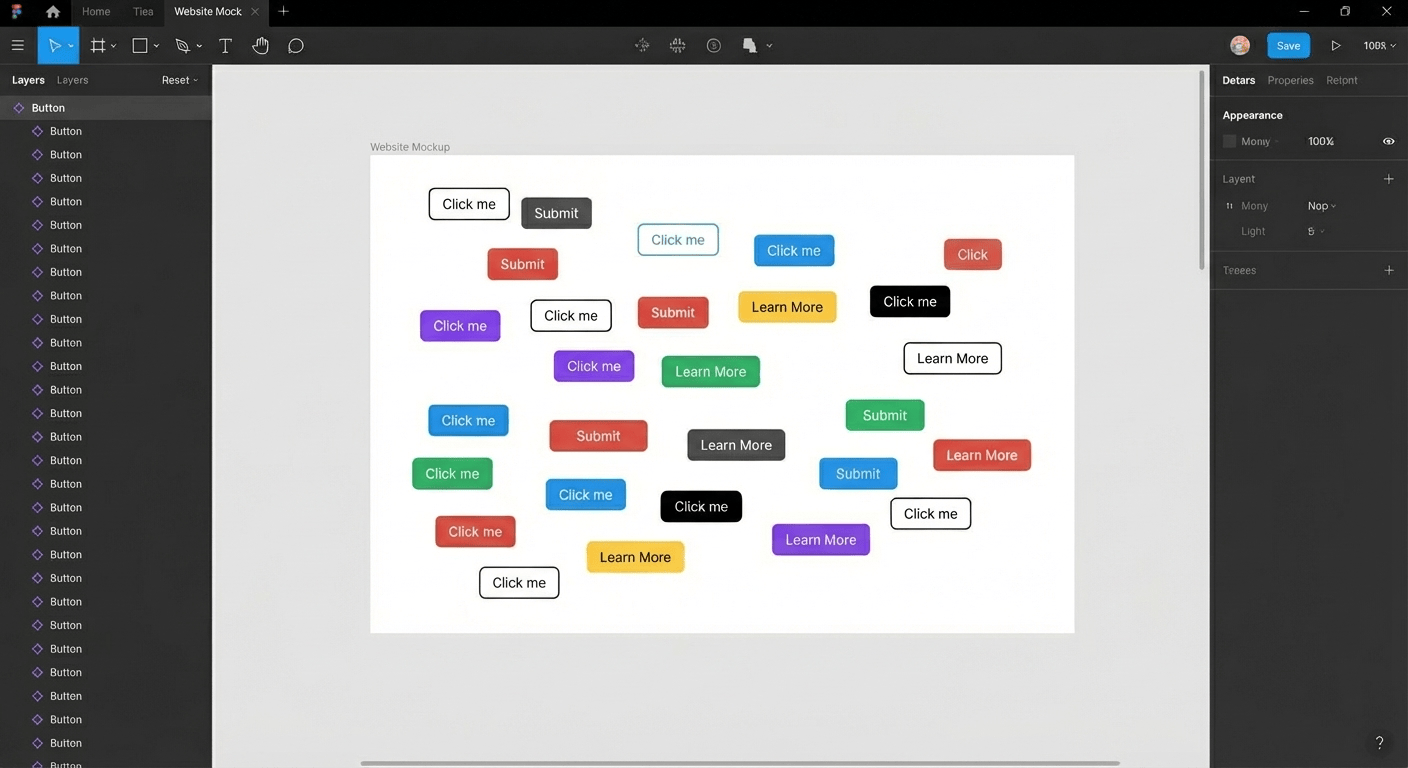
Streamlining Your Figma Workflow with Automation Tools
Automate Figma renaming, audits, states, tables, and cleanup so your team ships faster each sprint.
Figma Plugins • 5 min read